Braided Styles for 3C-4C Hair: The Complete Guide
Protective styles for curly and coily textures
For 3C-4C hair, braids are more than a style—they're a protective essential. They give your natural hair a break from daily manipulation while offering endless creative possibilities. From ancient African traditions to modern runways, braids remain the most versatile protective style.
Here's what people are actually searching for about braids for curly and coily hair, broken down by style type, products needed, and maintenance requirements.
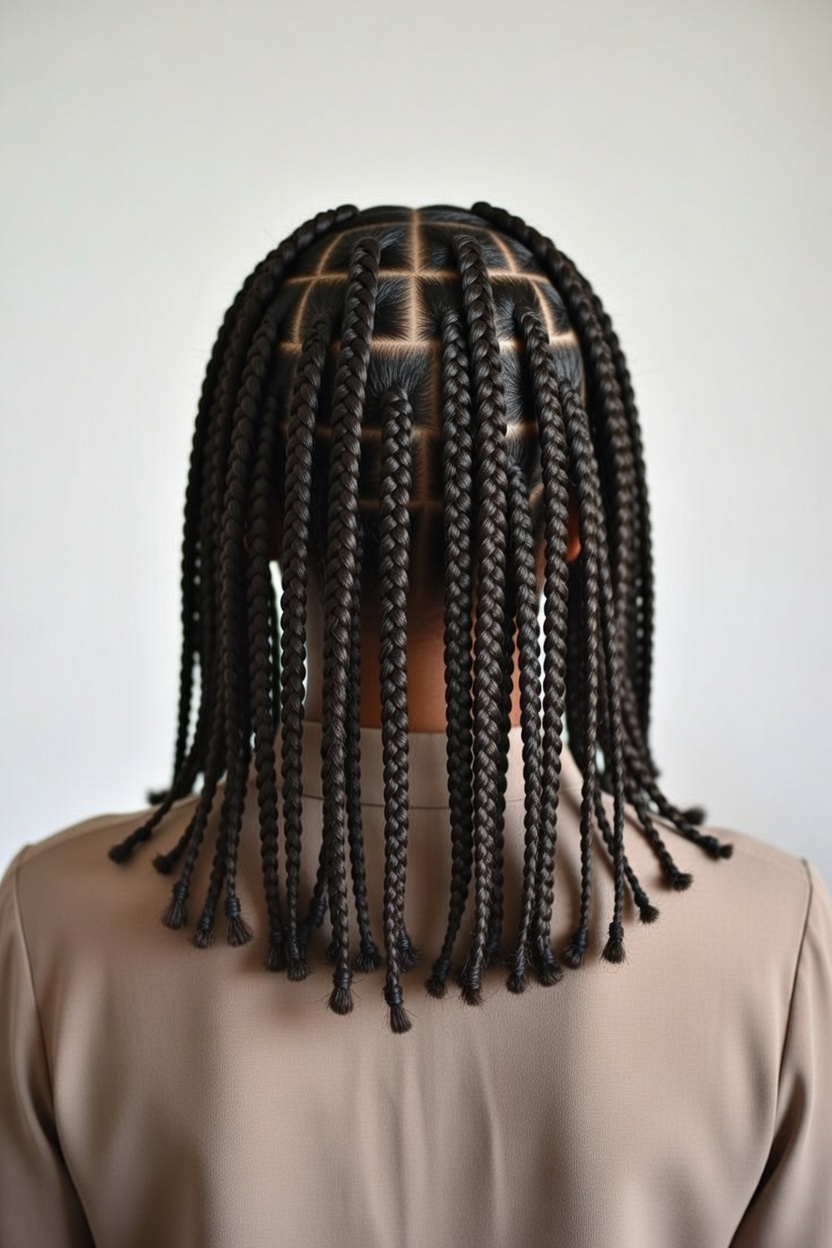
Box Braids
89.5k monthly searches • also searched: "box braids styles", "square part braids"
What they look like: Hair divided into square-shaped sections and braided from root to tip. Size ranges from micro (tiny) to jumbo (thick). Shoulder to waist length. The most requested protective style for 4C hair.
How they're created: Natural hair is braided with or without extensions. With extensions, hair is added at the root and braided down. Takes 3-8 hours depending on size and length. The smaller the braid, the longer the install time.
Products you'll need:
- Braiding hair – kanekalon or toyokalon for extensions
- Edge control – for sleek hairline
- Leave-in conditioner spray – for moisture between washes
- Light oil – jojoba or grapeseed for scalp
- Silk scarf or bonnet – for sleeping
Why they work: Long-lasting (4-8 weeks). Versatile styling options. Give natural hair a complete break from daily manipulation.
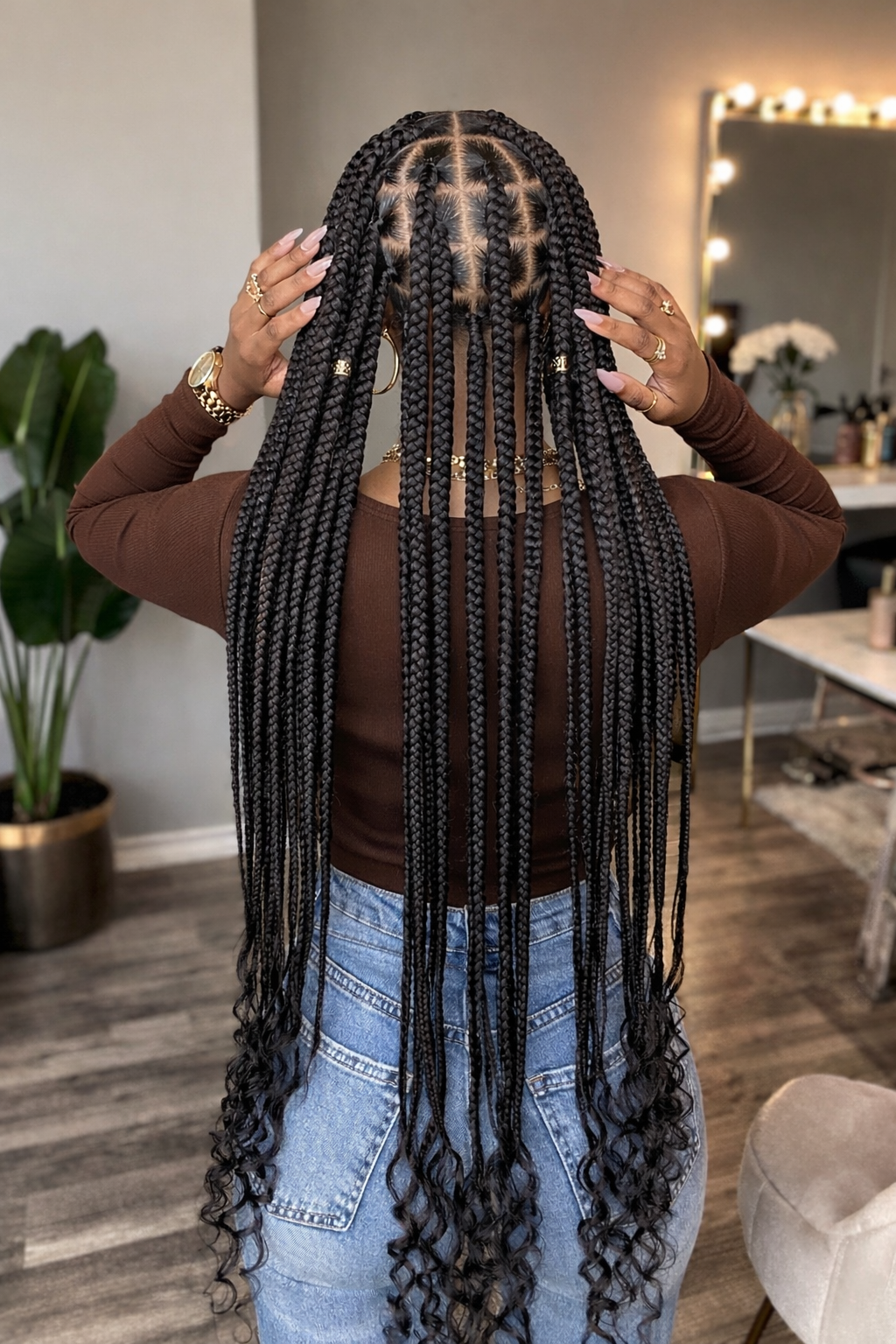
Knotless Braids
72.3k monthly searches • also searched: "invisible braids", "no-knot braids"
What they look like: A modern variation where added hair is fed in gradually rather than tied with a knot at the root. Creates a flat, natural-looking start. Reduces tension on edges and scalp. Lighter weight than traditional box braids.
How they're created: Starts with natural hair only. Extension hair is "fed in" as the braid progresses. Takes slightly longer than traditional braids but worth it for edge preservation. The braid lies flatter against the scalp.
Products you'll need:
- Pre-stretched braiding hair – for seamless blend
- Edge control – alcohol-free formula
- Foaming mousse – for slicking flyaways
- Rose water spray – for hydration
- Silk scarf – for wrapping at night
Why they work: Gentle on edges. More natural appearance. Ideal for those with sensitive scalps or thinning edges.
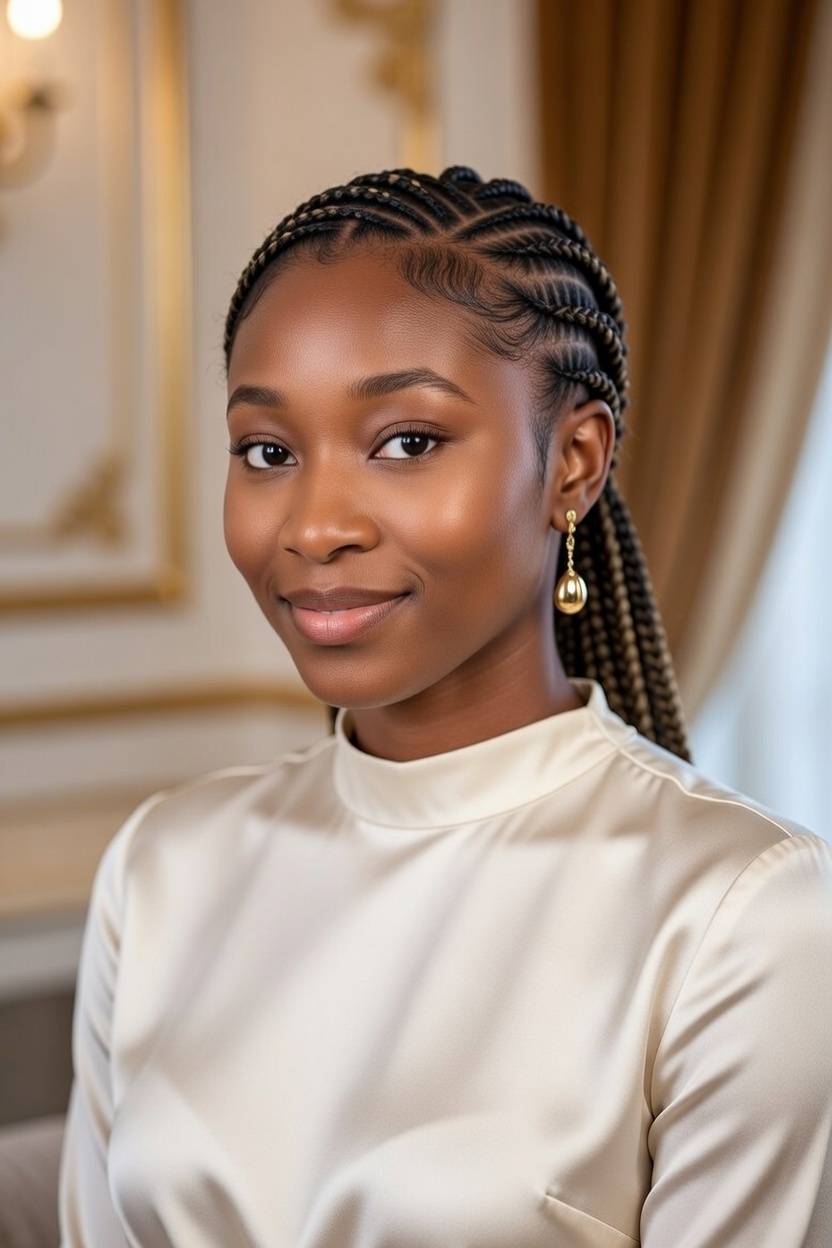
Cornrows
65.1k monthly searches • also searched: "canerows", "straight backs"
What they look like: Hair braided close to the scalp in continuous rows. Can be straight, curved, or in geometric patterns. Sections are raised and follow the contour of the head. Versatile as a standalone style or as a base for wigs.
How they're created: Hair is sectioned with a rat-tail comb. Braided from front to back using an underhand or overhand technique. Can be done with natural hair only or with added hair for thickness. Takes 1-3 hours.
Products you'll need:
- Styling gel – firm hold for edges
- Braiding spray – to reduce itching
- Edge brush – for sleek hairline
- Light oil – for scalp between rows
- Du-rag or wave cap – for laying edges
Why they work: Low-maintenance. Great for active lifestyles. Endless pattern possibilities. Works for men and women.

Goddess Braids
45.2k monthly searches • also searched: "jumbo cornrows", "banana braids"
What they look like: Thick, statement cornrows that stand tall from the scalp. Much larger than standard cornrows. Often incorporate curly or wavy hair extensions at the ends. Creates a regal, sculptural look.
How they're created: Larger sections than regular cornrows. Extension hair is added for thickness and length. Can be arranged in various patterns: crown, halo, side-swept, or updo. Takes 2-4 hours.
Products you'll need:
- Marley hair or yarn – for thick braids
- Curly hair extensions – for ends (optional)
- Edge control – maximum hold
- Mousse – for slicking down flyaways
- Hair pins – for styling into updos
Why they work: Bold and elegant. Perfect for special occasions. Faster install than smaller braids.
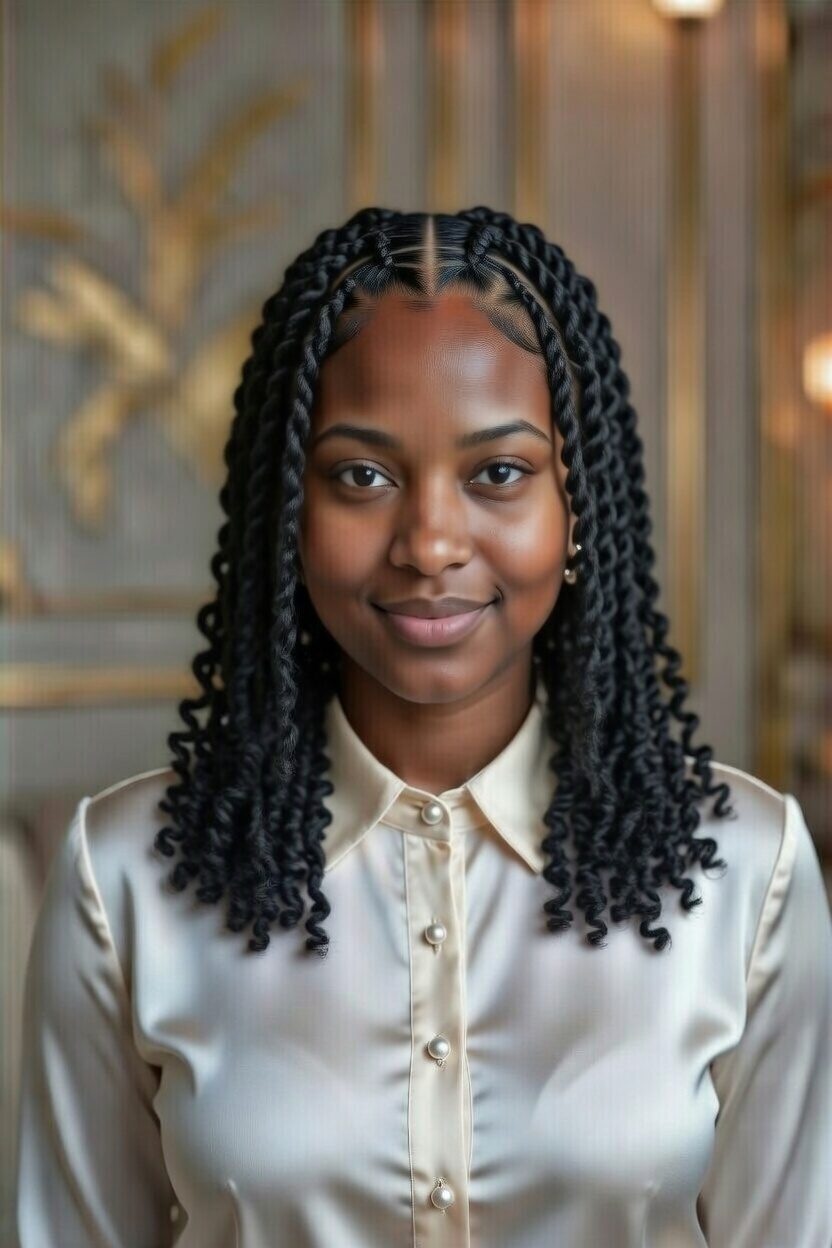
Two-Strand Twists
58.7k monthly searches • also searched: "mini twists", "flat twists"
What they look like: Hair divided into sections and each section twisted around itself like rope. Can be done on natural hair alone or with extensions. When done close to scalp, called flat twists. Worn as a protective style or to define natural curl pattern.
How they're created: Two sections of hair are twisted around each other. No braiding involved. Can be installed on damp hair with product for definition. Takes 2-6 hours depending on size.
Products you'll need:
- Twisting cream or butter – for definition
- Leave-in conditioner – for moisture
- Holding gel – for ends (optional)
- Silk scarf – for sleeping
- Steamer or mist sprayer – for refreshing
Why they work: Lower manipulation than braids. Great for transitioning to natural hair. Works for men and women.
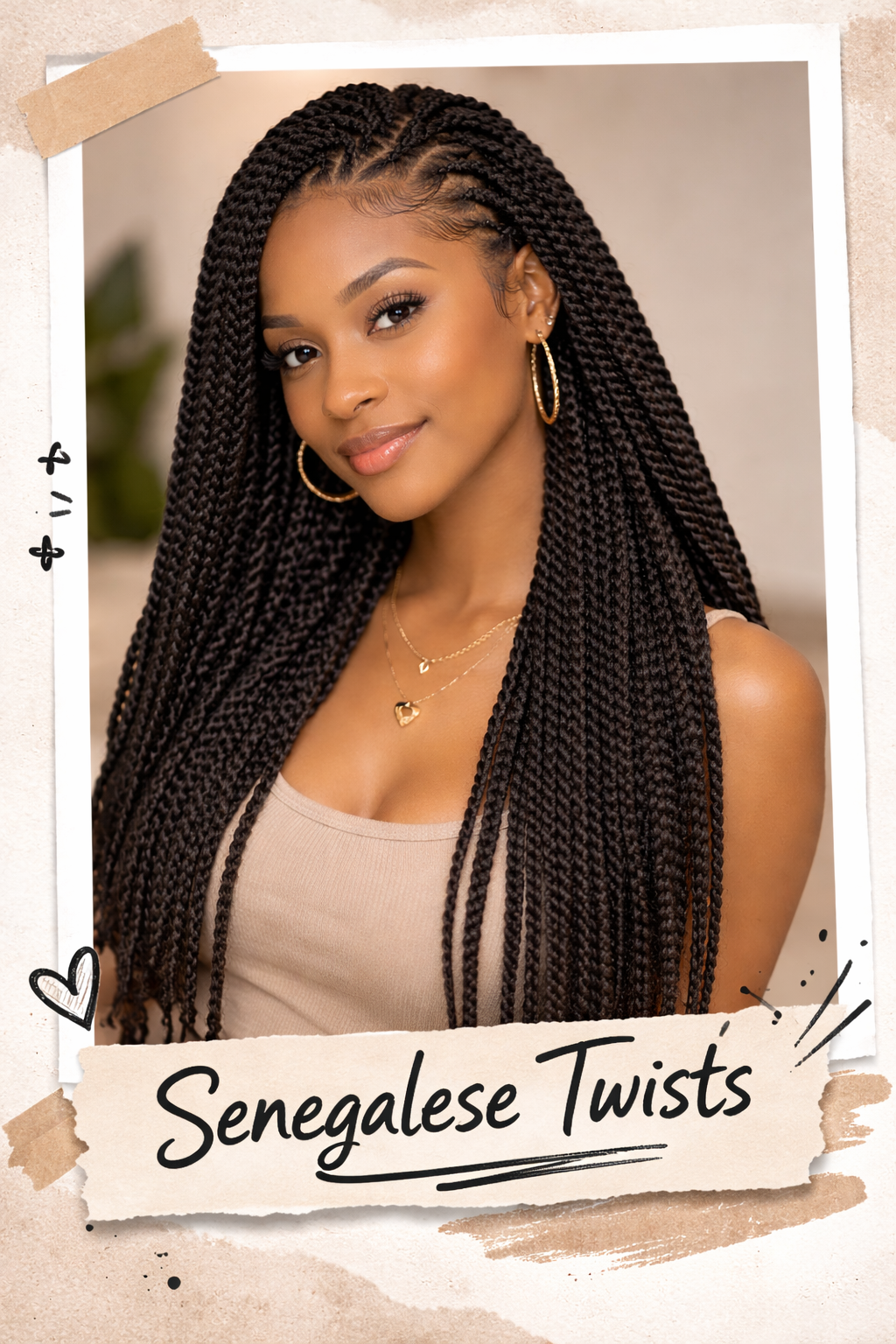
Senegalese Twists
42.8k monthly searches • also searched: "rope twists", "smooth twists"
What they look like: Smooth, rope-like twists created by twisting two strands of hair extensions in opposite directions. Have a uniform, cylindrical appearance with no loose strands. Sleek, polished finish. Can be waist-length or longer.
How they're created: Extension hair is added at the root. Two strands are twisted in opposite directions, creating the rope effect. Takes 4-7 hours. The smooth surface requires technique to master.
Products you'll need:
- Kanekalon hair – for smooth finish
- Edge control – for hairline
- Light oil sheen – for shine
- Mousse – for refreshing roots
- Satin pillowcase – to prevent friction
Why they work: Elegant, polished appearance. Lasts 6-8 weeks. Professional look for workplace.
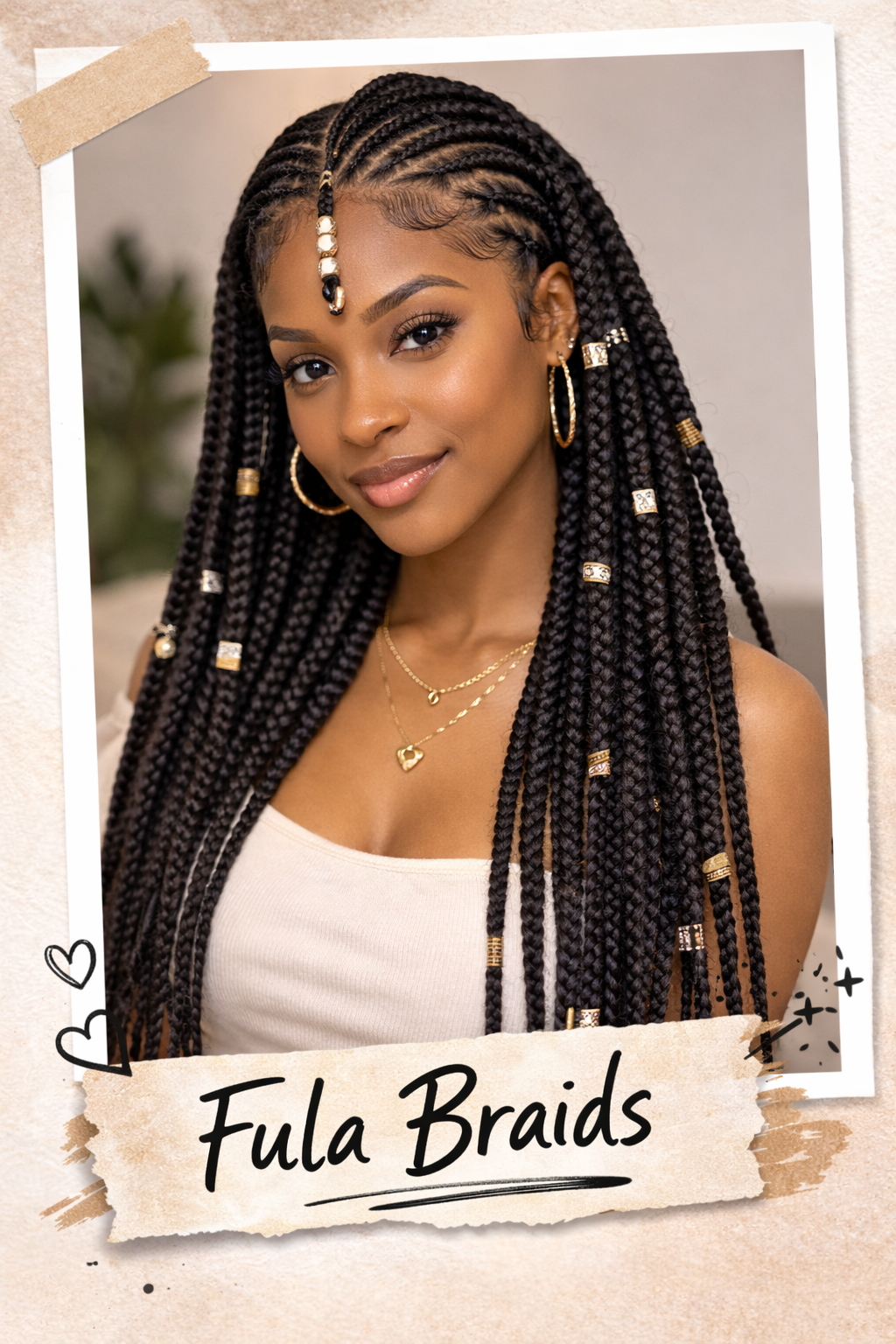
Fulani Braids
38.4k monthly searches • also searched: "Fula braids", "African tribal braids"
What they look like: Distinctive style featuring a central braid down the middle, with braids on the sides curving outward. Often decorated with beads and rings at the ends. Recognizable by the signature loop at the nape.
How they're created: Central cornrow from front to back. Side braids curve outward. Beads or rings added at ends. Takes 3-6 hours. Requires precise parting for authentic look.
Products you'll need:
- Braiding hair – matching natural color
- Beads and rings – authentic or decorative
- Edge control – for defined parts
- Small elastic bands – for securing ends
- Jewelry pliers – for attaching beads
Why they work: Culturally significant. Distinctive and recognizable. Can be dressed up or down.

Feed-In Braids
52.6k monthly searches • also searched: "gradual braids", "lemonade braids"
What they look like: Braiding technique where extensions are added gradually rather than all at once. Starts with natural hair only, then hair is "fed in" as the braid progresses. Creates a flat, natural-looking start.
How they're created: Braid starts with natural hair. Extension is added a little at a time. Creates a tapered effect from root to tip. Takes 3-7 hours. Often used for side-swept styles like lemonade braids.
Products you'll need:
- Pre-stretched braiding hair – for seamless blend
- Edge control – gel consistency
- Rat-tail comb – for precise parts
- Spray bottle – with water for smoothing
- Silk scarf – for laying edges
Why they work: No tension at roots. Most natural-looking start. Gentle on edges.
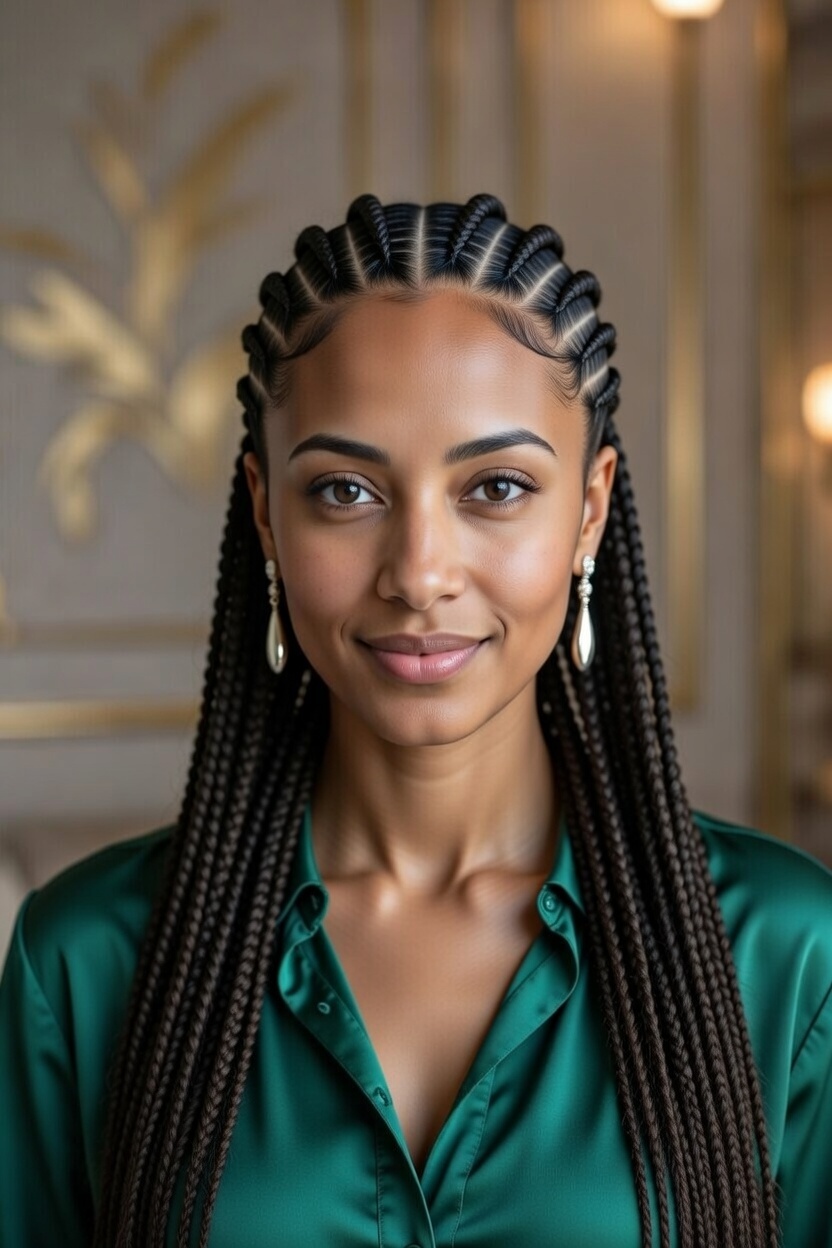
Stitch Braids
35.2k monthly searches • also searched: "precision cornrows", "zig-zag braids"
What they look like: Cornrows with a distinctive "stitched" appearance created by precise, visible parting between each braid. The parts are perfectly straight and the braids are uniform width. Often done in complex geometric patterns. Creates a clean, graphic look.
How they're created: Hair is sectioned with extreme precision. Each braid is uniform in size. The parts between braids are perfectly straight. Takes 2-4 hours. Requires an experienced braider.
Products you'll need:
- Edge control – strong hold
- Rat-tail comb – for geometric parts
- Clippers or trimmer – for clean neckline
- Styling mousse – for sleekness
- Shine spray – for finished look
Why they work: Ultra-precise look. Modern and graphic. Makes a strong style statement.
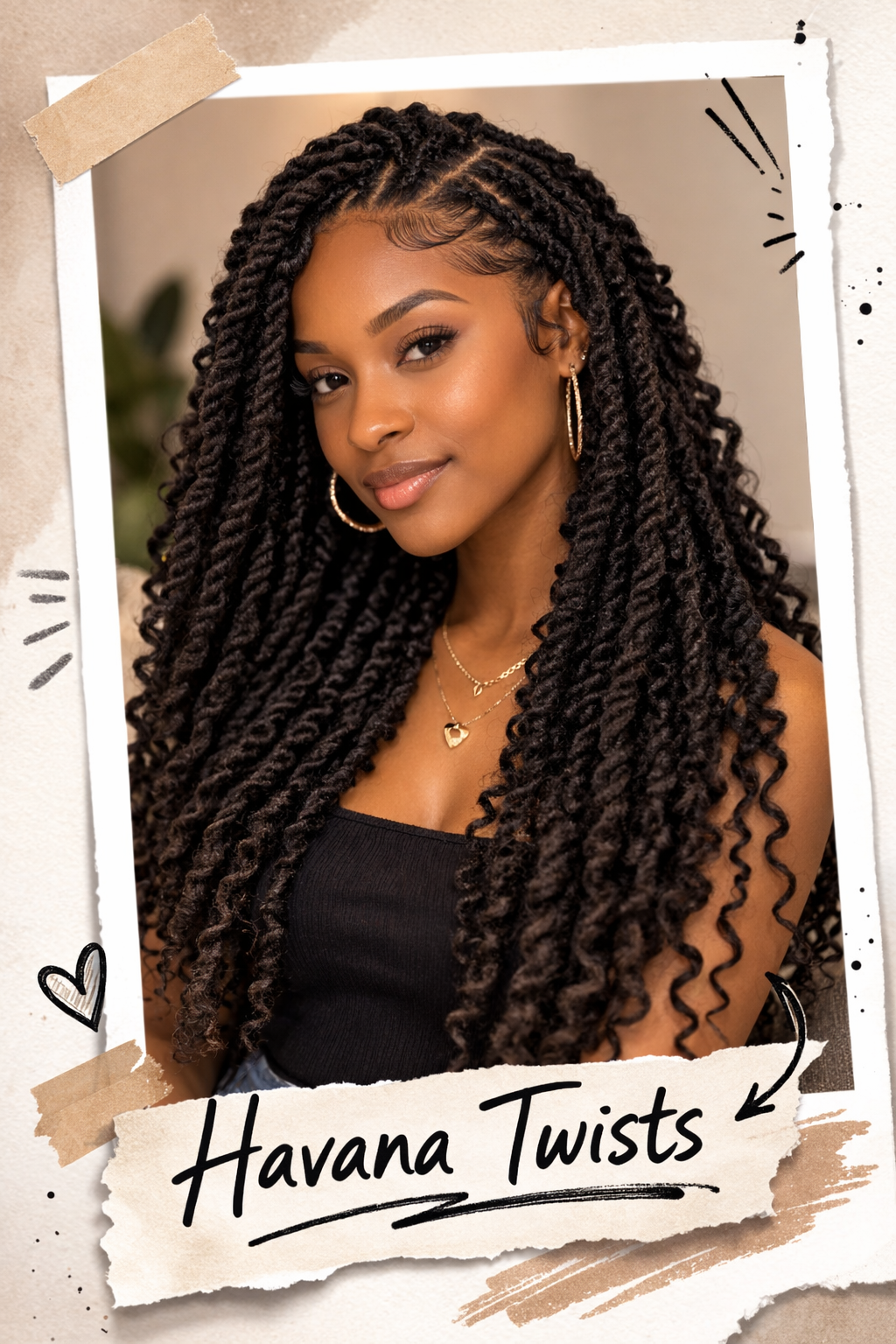
Havana Twists
40.1k monthly searches • also searched: "chunky twists", "rope twists"
What they look like: Thick, chunky twists made with Havana Mambo hair or similar bulky extension hair. Larger than Senegalese twists. Has a textured, natural appearance. Can be waist-length or shorter. Creates a bold, voluminous look.
How they're created: Extension hair is added at the root. Two strands are twisted together. The chunkiness means faster installation than smaller braids. Takes 2-4 hours. Can be heavy, so not for fine hair.
Products you'll need:
- Havana Mambo hair – for chunky twists
- Twisting gel – for definition
- Edge control – for hairline
- Light oil – for scalp access
- Satin scarf – for sleeping
Why they work: Bold volume. Quicker install. Statement-making look.
Common Questions About Braids for 3C-4C Hair
How long do braids last on 4C hair?
Box braids and knotless can last 4-8 weeks. Cornrows last 2-4 weeks. Senegalese twists last 6-8 weeks. The key is proper maintenance: wrapping at night, moisturizing, and not keeping them too long to prevent matting.
Do braids damage 4C hair?
Braids themselves don't damage hair—improper installation or maintenance does. Too tight braids cause traction alopecia. Keeping them too long causes matting. Installed correctly and cared for properly, braids are protective, not damaging.
How do I moisturize my 4C hair in braids?
Use a spray bottle with water and leave-in conditioner every 2-3 days. Focus on the parts where your natural hair is exposed. Light oil on scalp weekly. Avoid heavy products that build up on the braids.
Which braid style is best for beginners?
Two-strand twists are the easiest for beginners to install on themselves. For salon visits, box braids are the most straightforward and widely available. Knotless requires more skill but is worth the extra cost.
How much do braids cost for 4C hair?
Prices vary by location and stylist. Box braids: $150-300. Knotless: $200-350. Cornrows: $80-200. Goddess braids: $180-300. Senegalese twists: $200-400. Always check stylist portfolios and never choose based on price alone.
Can I wash my hair with braids?
Yes. Use diluted shampoo in a spray bottle. Focus on scalp. Rinse thoroughly. Dry completely to prevent mildew. Avoid heavy conditioner that will leave residue on braids.